
As cold weather approaches, seniors need to take a few extra precautions to protect their health, stay safe at home, and make sure they have the supplies and support they need. For older adults, cold temperatures can be especially dangerous because the body may have more difficulty regulating temperature, and certain medications or health conditions can increase the risk of complications.
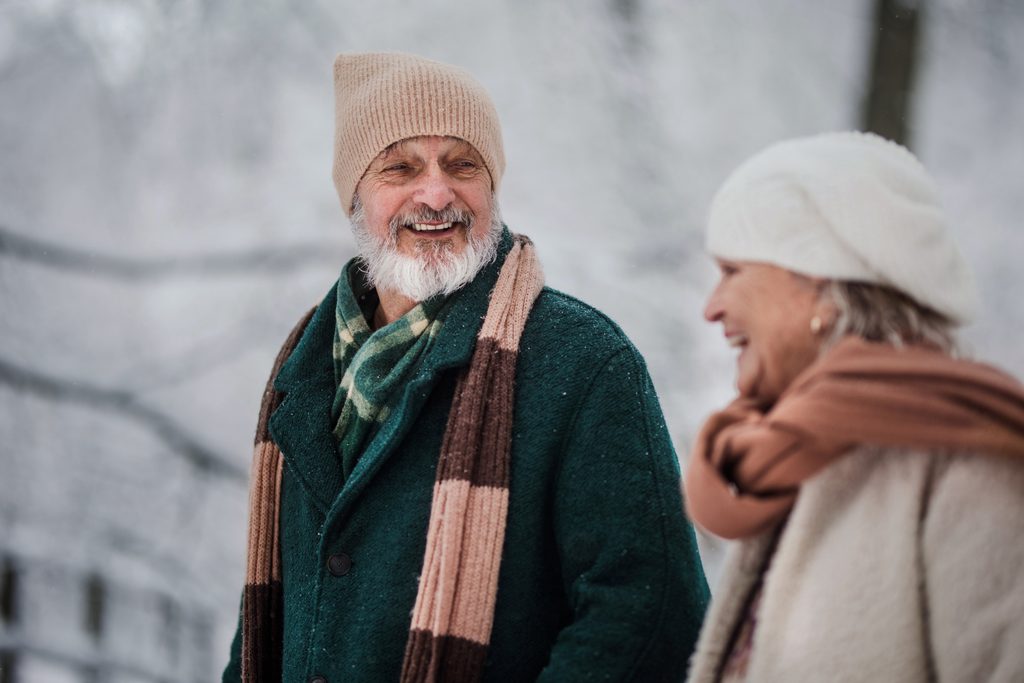
1. Dress warmly — even for short trips outside
- Wear several loose layers rather than one heavy layer.
- Cover your head, ears, hands, and neck.
- Wear shoes or boots with good traction to help prevent falls.
- Limit time outdoors when temperatures are extremely low or wind chills are dangerous.
2. Keep your home warm and safe
- Aim for a home temperature of at least 68°F, if possible.
- Check your heating system before the coldest weather arrives.
- Close drafts around doors and windows, and keep curtains closed at night.
- Never use a gas oven, charcoal grill, or outdoor propane heater to heat your home.
- Make sure smoke and carbon monoxide detectors work.
3. Pay attention to health and medications
- Cold weather can worsen arthritis, breathing problems, and some heart conditions.
- Some medications can affect circulation, alertness, or the body’s ability to stay warm.
- Keep medications filled and stored according to their instructions.
- Ask a healthcare professional whether any medications increase cold-weather risks.
- Seek urgent medical attention for confusion, slurred speech, unusual drowsiness, or severe shivering after cold exposure.
4. Prevent slips and falls
- Watch for black ice on sidewalks, steps, parking lots, and driveways.
- Use handrails and a cane or walker when appropriate.
- Keep walkways cleared and treated when it is safe to do so.
- Avoid unnecessary trips during freezing rain, snow, or icy conditions.
- Keep a phone accessible in case you fall or need assistance.
5. Prepare for power outages
Winter storms can leave homes without heat, electricity, or telephone service.
- Keep blankets, warm clothing, flashlights, batteries, and shelf-stable food available.
- Keep drinking water and necessary medications on hand.
- Charge cell phones and backup battery packs.
- Have a plan for where to go if your home becomes too cold.
- Never run a generator, grill, or fuel-burning camping stove inside a home or garage.
6. Eat regularly and stay hydrated
- Eat regular, balanced meals to help your body maintain energy and warmth.
- Enjoy warm soups and other nourishing foods.
- Drink fluids regularly, even if you don’t feel as thirsty.
- If you have a fluid restriction for a medical condition, follow your clinician’s guidance.
- Make sure you have enough groceries in case bad weather prevents you from getting to the store.
7. Stay connected and avoid isolation
- Arrange for a family member, friend, or neighbor to check on you during severe weather.
- Keep important phone numbers written down in case your phone loses power.
- Let someone know if you depend on electricity for medical equipment.
- If you live alone, make a plan for transportation, meals, and emergency assistance.
8. Don’t forget pets
- Bring pets indoors during freezing temperatures whenever possible.
- Make sure pets have food, water, and warm shelter.
- Keep pet food, medications, and other necessities stocked before a storm.
- Wipe paws after walks to remove ice, salt, and deicing chemicals.
9. Watch for signs of hypothermia and frostbite
These are two of the most important cold-weather dangers for seniors.
Hypothermia — dangerously low body temperature
Warning signs include shivering, exhaustion, confusion, fumbling hands, slurred speech, and unusual drowsiness.
Call 911 if hypothermia is suspected.
Frostbite — freezing injury to the skin and tissue
Watch for numbness, pale or grayish-yellow skin, or skin that feels unusually firm or waxy, especially on fingers, toes, ears, nose, and cheeks. Move to a warm place and seek prompt medical care. Do not rub the affected area or apply direct heat.
10. Know where to turn for help
- 911: Medical emergencies, suspected severe hypothermia, or other immediate danger.
- 211 West Virginia: Call 211 or visit WV 211 for information about community assistance and resources.
- Weather updates: Check the National Weather Service for local forecasts and winter weather alerts.
- Winter preparation: Visit the CDC Winter Weather Safety page for emergency preparedness guidance.
A special reminder for family members and caregivers
Check on older adults who live alone, especially during power outages and severe weather. Make sure they have working heat, food, medications, transportation plans, and a way to contact someone if they need help.
The most important message for seniors is simple: Prepare before the cold arrives, stay indoors when conditions are dangerous, and ask for help before a small problem becomes an emergency.